Concrete curing time follows a predictable timeline. Foot traffic is safe in 24 to 48 hours, vehicles in 7 days, and full design strength is achieved in 28 days. CAG Enterprises manages cure schedules across Central Kentucky's seasonal swings, from the heat in July that speeds it up to the cold snaps in March that slow it down. The crew that pours your concrete driveway monitors the cure until the slab is ready for regular use.
Rush the cure and the concrete never reaches the strength it was supposed to. You get a driveway that spalls in its first winter or a commercial slab that cracks under forklift traffic before the year is out. Curing isn't complicated; it's just non-negotiable. From the 24-hour walk-on window to full 28-day strength, the sections ahead lay out each stage and what changes the timeline.
The First 24 to 48 Hours: Initial Set and Foot Traffic
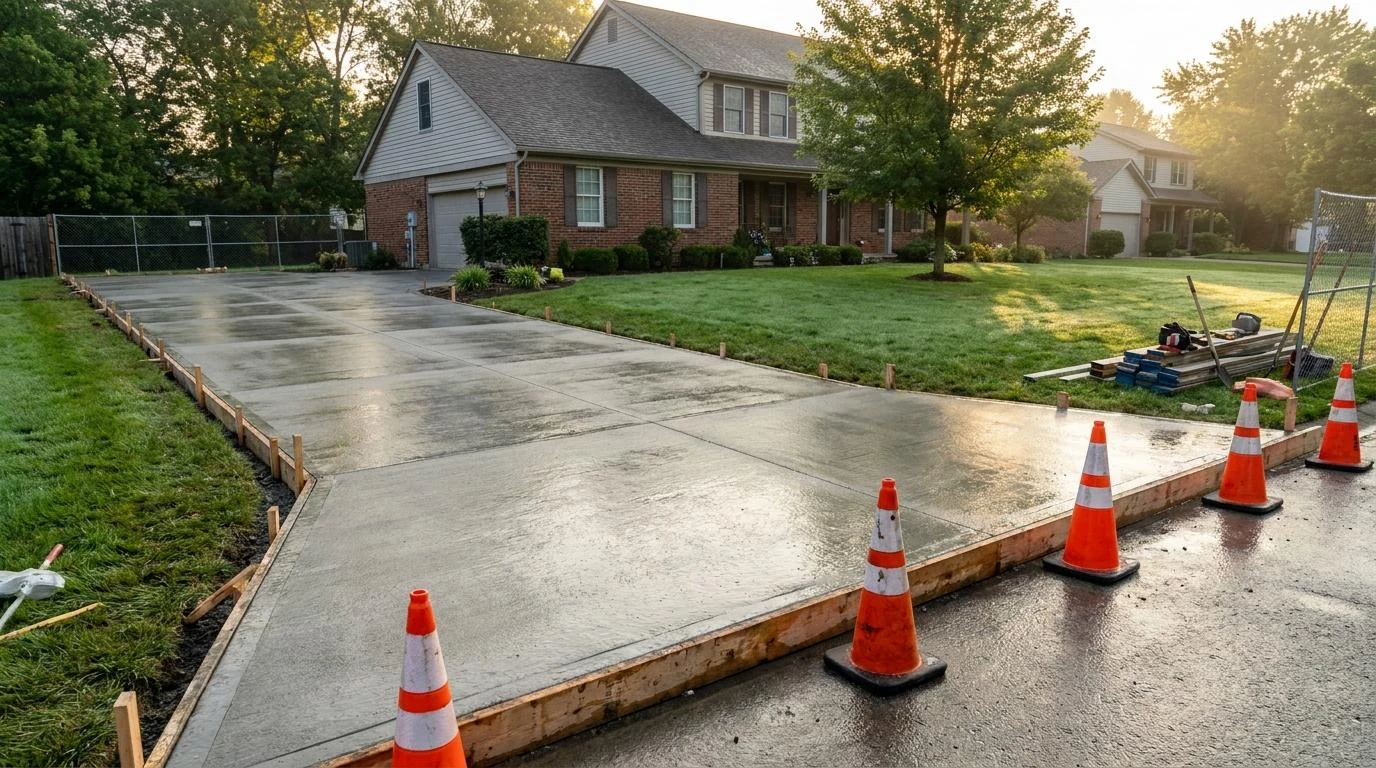
Concrete begins setting within hours of pouring as cement reacts with water, a chemical reaction called hydration. By 24 hours, the slab is firm enough to walk on. By 48 hours, it can handle light foot traffic without leaving impressions.
Moisture retention drives this window. If water evaporates too fast, hydration stalls before the paste bonds with the aggregate. CAG crews cover fresh pours with curing blankets or membrane-forming compound immediately after finishing, especially on commercial concrete pours where surface hardness determines long-term durability. On a hot Central Kentucky afternoon, a covered slab and an uncovered one diverge in surface strength within the first year.
The 7-Day Mark: Vehicle Traffic and Heavy Loads

At 7 days, concrete reaches about 70% of its design strength, enough for cars, light trucks, and normal driveway use. This benchmark assumes temperatures between 50°F and 70°F. When daytime highs stay in the 40s during a Kentucky March, the same mix may need 10 to 14 days. For stamped concrete driveways, CAG recommends waiting the full 7 days before parking, even if the surface looks ready sooner. The crew uses accelerators or insulated blankets when the forecast turns cold.
The 28-Day Standard: Reaching Full Design Strength
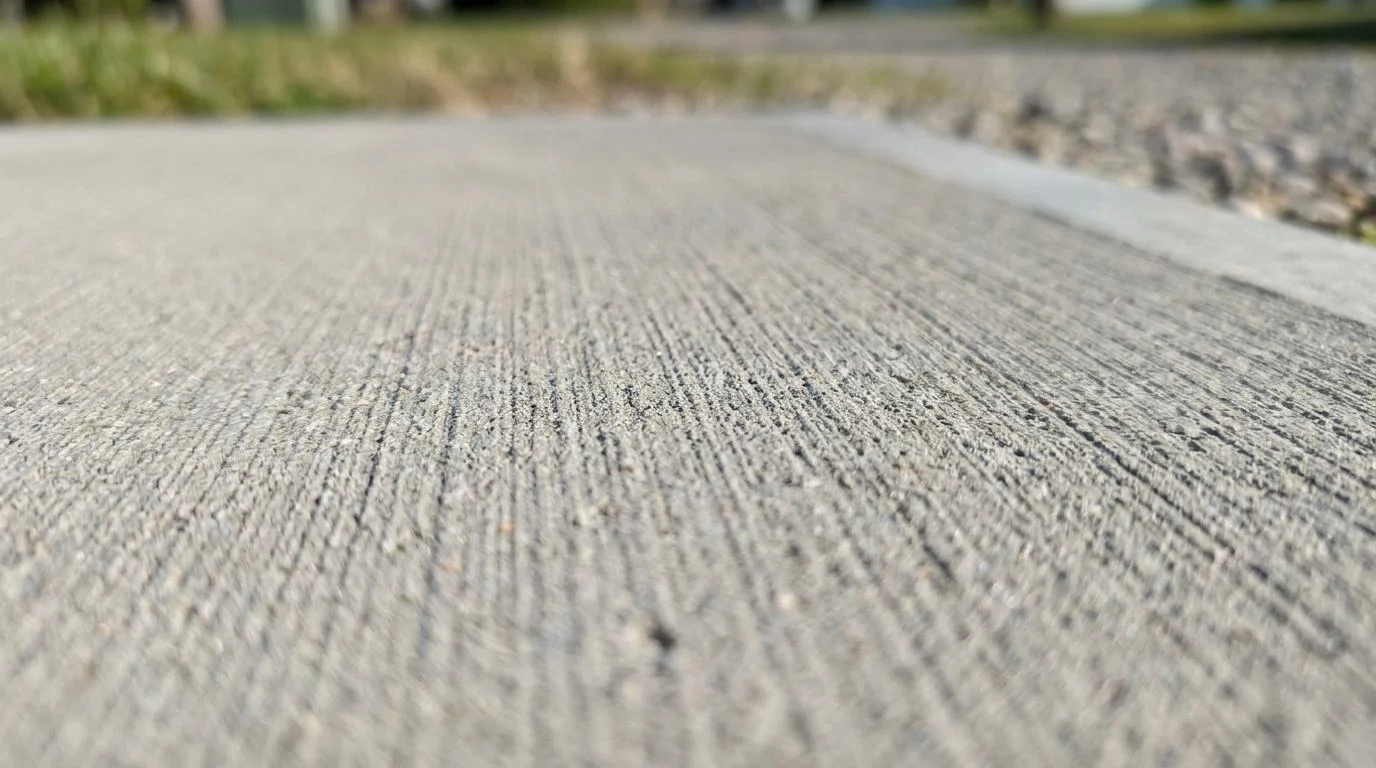
The 28-day mark is the industry standard because hydration is functionally complete at that point. A 4,000 PSI slab tested at 28 days should meet its rated strength. While the curve flattens after that, it continues to gain strength at a much slower rate.
This number matters most for structural applications like concrete foundations and loading docks. CAG pulls test cylinders on every commercial pour and tracks 7-day and 28-day breaks so there's a paper trail confirming the slab met its spec before the building goes up.
How Central Kentucky Weather Speeds Up or Slows Down the Cure
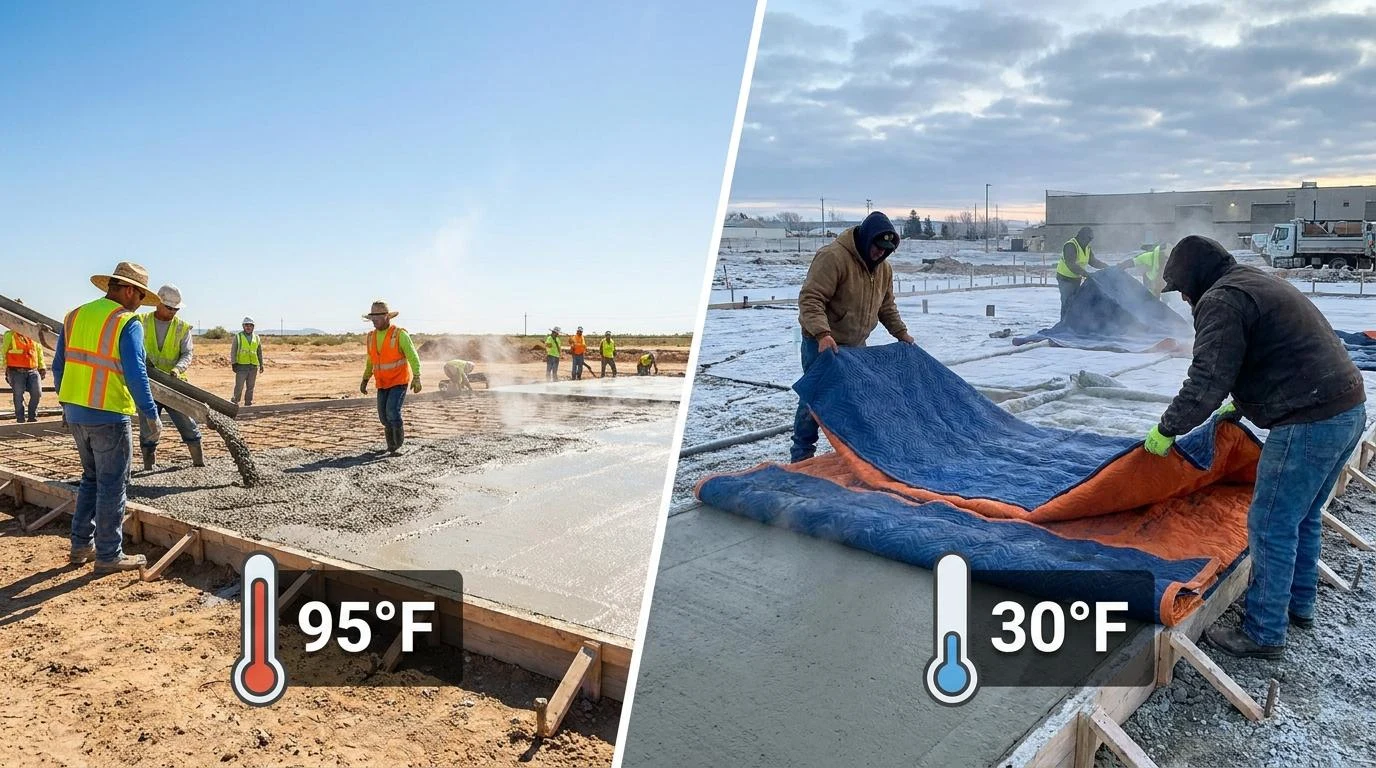
Temperature is the biggest variable. In July and August, when highs of 85°F to 95°F are reached, concrete sets fast, sometimes too fast. A driveway poured in Georgetown on a 90-degree afternoon can stiffen before the crew finishes floating it. Hot-weather pours need retarding admixtures to keep the mix workable and curing compounds to prevent the surface from drying before the bottom of the slab.
In winter’s below 40°F temperatures, hydration slows dramatically. Below 25°F, free water in the mix can freeze and damage the paste structure. CAG uses heated mixing water, insulated blankets, and temperature monitoring throughout the first 72 hours. Kentucky's freeze-thaw cycles, with 40-degree swings in a single day, mean the cure schedule adapts day by day rather than week by week.
Frequently Asked Questions
How long before you can drive on new concrete?
You can drive on new concrete 7 days after pouring under normal temperatures once the slab reaches roughly 70% of its design strength. For heavier vehicles like RVs or work trucks, wait 14 days. Cold weather extends both timelines: add 3 to 5 days if daytime highs stay below 50°F.
Does concrete cure faster in hot or cold weather?
Concrete cures faster in hot weather, but faster isn't better. High temperatures can dry out the surface before the slab gains uniform strength, leading to cracking. In cold weather, hydration slows and can stop below 25°F if free water freezes. The ideal range is 50°F to 70°F, which is why spring and fall pours in Central Kentucky produce the most consistent results.
What happens if it rains on fresh concrete?
Rain on fresh concrete can wash away the cement and permanently weaken the surface, though the exact impact depends entirely on timing. If heavy rain hits within the first 2 to 4 hours before the concrete hardens, the extra water dilutes the surface paste, causing cosmetic pitting, dusting, or structural weakness. Once the concrete has safely passed this initial setting window, however, light rain is actually beneficial because it keeps the slab moist and aids the natural curing process.
Build Your Timeline Around the Cure, Not the Other Way Around
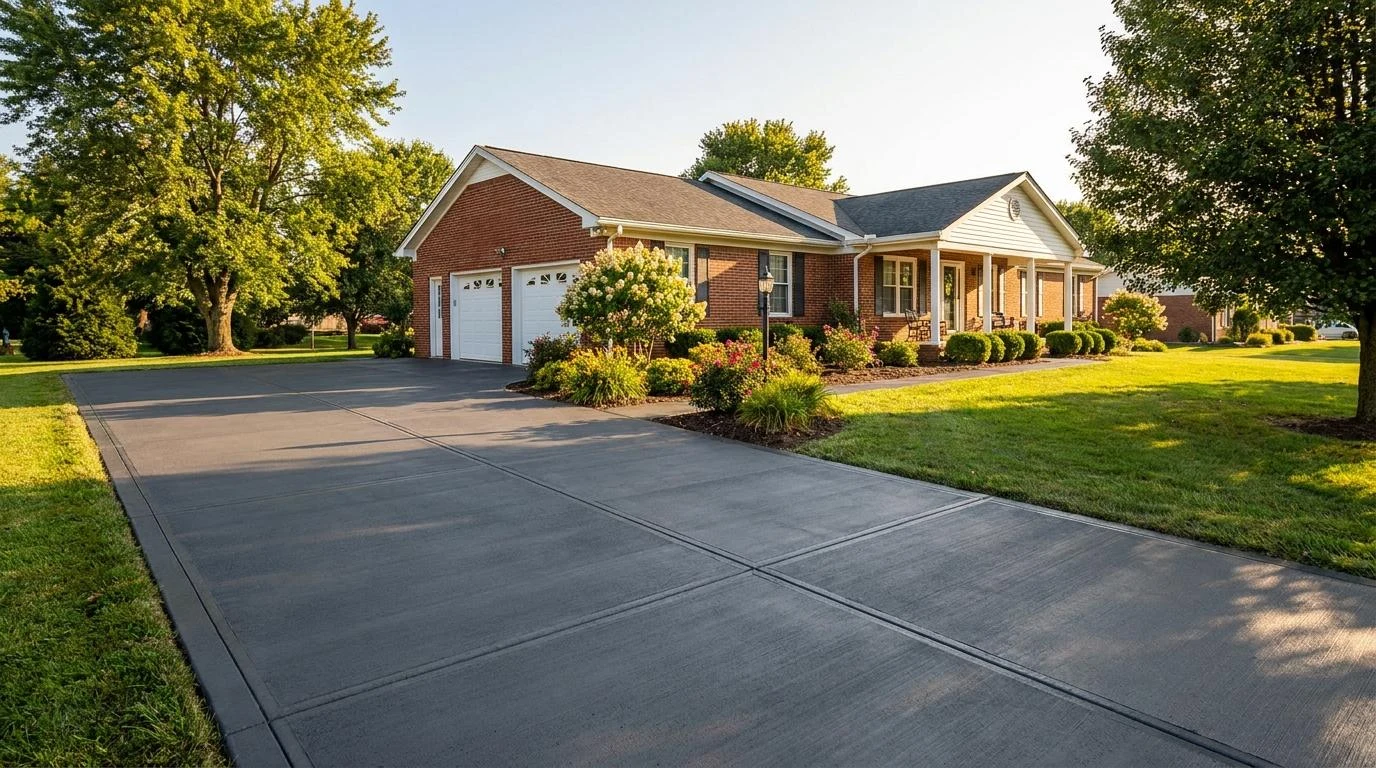
Concrete cures on its own clock, and that clock runs on chemistry rather than convenience. CAG Enterprises has poured concrete across Central Kentucky since 2001, and the rule hasn't changed: let the slab tell you when it's ready, not the calendar.
For a free estimate on your project, call (859) 983-5799 or request one online. Our team will walk the site, discuss the cure schedule for your specific pour, and put the timeline in writing.