Signs of foundation problems in Central Kentucky homes include wall cracks, sticking doors and windows, uneven floors, and gaps between walls and ceilings. These symptoms often trace back to the region's expansive clay soil and karst geology rather than simple aging. After pouring concrete foundations across Central Kentucky for over 25 years, CAG Enterprises understands the soil conditions that cause these failures.
Most homeowners notice the cracks and sticking doors first, but those aren't the problem. They're symptoms of what's happening below grade, where clay soil expansion, poor drainage, or limestone void collapse is shifting the structure above. Which cracks signal normal settling, and which ones demand a structural engineer? The eight indicators ahead sort one from the other.
Cracks, Gaps, and Structural Shifts
1. Diagonal or Stair-Step Cracks in Walls
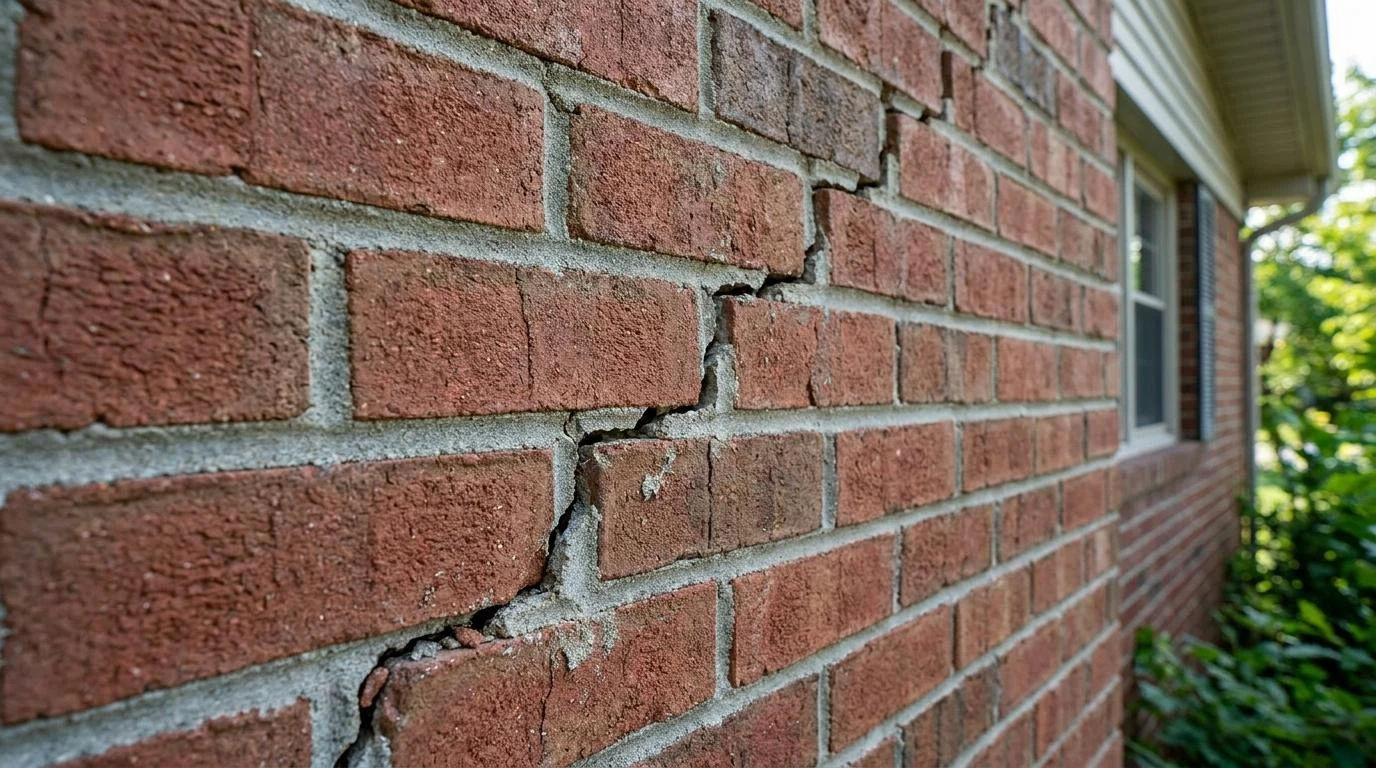
Hairline cracks from normal settling run vertically and stay narrow. Diagonal cracks wider than 1/8 inch, especially in a stair-step pattern along mortar joints, indicate differential settlement where one side of the foundation is moving more than the other.
2. Horizontal Cracks in Basement or Crawl Space Walls
Horizontal cracks near the midpoint of a basement wall signal lateral soil pressure pushing the wall inward. This is common in Central Kentucky where clay soil swells significantly when saturated after spring rains.
3. Gaps Between Walls and Ceilings or Floors
Visible gaps where interior walls meet the ceiling or floor indicate the structure is pulling apart. When these gaps appear suddenly or widen over weeks rather than years, the foundation is actively moving.
4. Sticking Doors and Windows
Doors and windows that suddenly bind, won't latch, or swing open on their own suggest the frames have shifted out of square. One sticking door might be humidity swelling. Multiple doors binding at the same time points to foundation movement.
Water, Soil, and Exterior Warning Signs
5. Uneven or Sloping Floors
A marble that rolls across the floor confirms what your feet already sense. Slopes greater than 1 inch over 15 feet suggest active settlement. On Central Kentucky's clay, this often worsens during seasonal wet-dry cycles.
6. Water Intrusion in Basement or Crawl Space
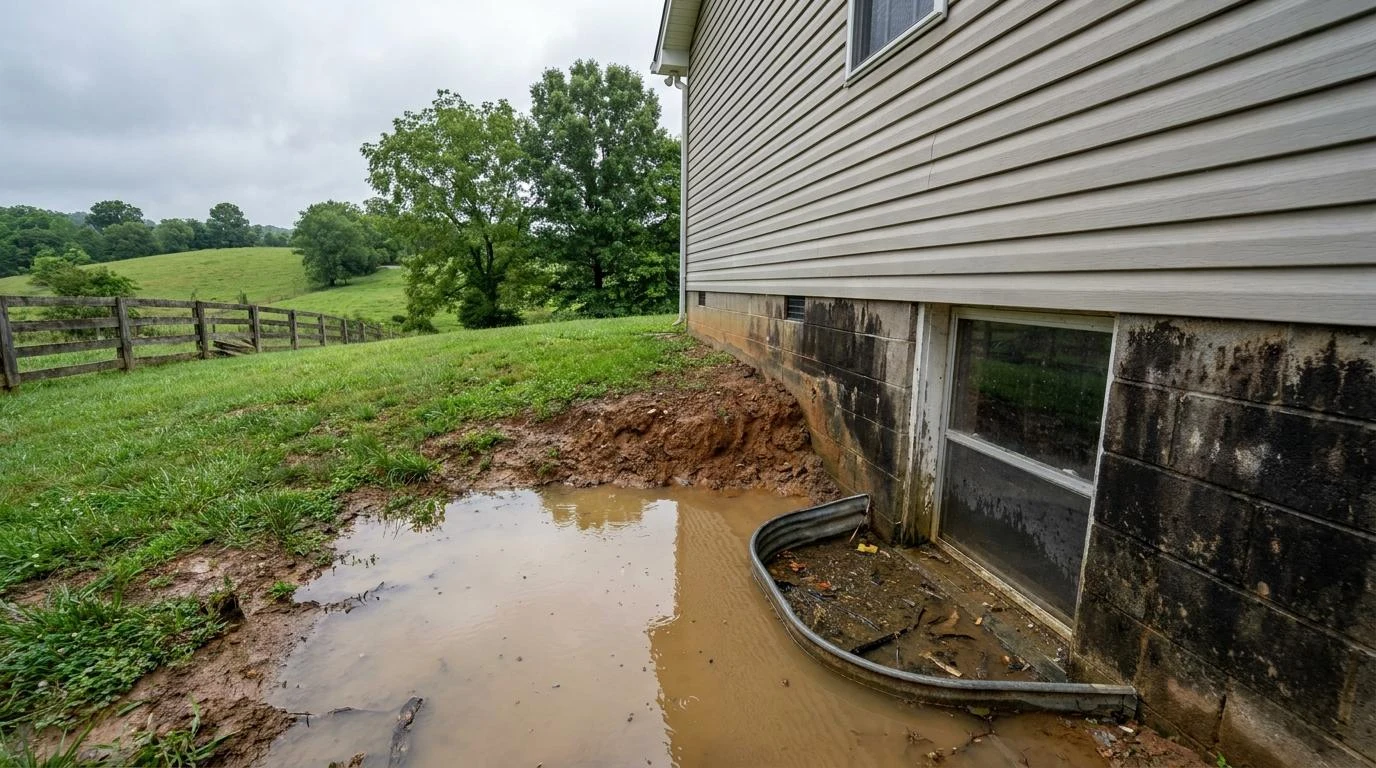
New water stains, standing water, or musty smells in a previously dry basement suggest cracks have opened in the foundation walls or floor slab. In karst terrain, sudden water intrusion can also indicate a developing sinkhole or underground drainage shift.
7. Chimney Leaning or Separating
A chimney pulling away from the house wall has its own footer, and when that footer settles differently than the main foundation, the chimney tilts. This is especially common on Kentucky properties where chimney footers were poured shallower than the main structure.
8. Exterior Cracks in Brick or Siding
Cracks that run through brick veneer or cause siding panels to buckle follow the foundation's movement. These exterior signs often appear after the interior signs have already started and indicate the movement is affecting the full structure.
Why These Signs Are Common in Central Kentucky

Central Kentucky's Bluegrass Region sits on karst topography with limestone bedrock, underground voids, and clay-heavy overburden. The clay swells when wet and shrinks when dry, creating cyclical soil movement that stresses foundations year after year. Homeowners who understand what foundations cost in Central Kentucky also understand why cutting corners on soil prep creates problems 5 to 15 years later.
Properties in Fayette, Madison, and Jessamine counties are especially vulnerable because of the high clay content typical of the Inner Bluegrass region. Professional soil testing before construction and proper footer depth below the 24-inch frost line are the best preventive measures.
Frequently Asked Questions
When Should I Call a Structural Engineer About Foundation Cracks?
You should call a structural engineer when cracks are wider than 1/8 inch, run diagonally or horizontally, or appear alongside sticking doors and uneven floors. A single hairline vertical crack in a poured concrete wall is usually normal shrinkage. Multiple cracks appearing together or widening over time indicate active movement that needs professional assessment.
How Much Does Foundation Repair Cost in Central Kentucky?
Foundation repair in Central Kentucky typically costs a few thousand to around ten thousand dollars for moderate issues like pier installation or wall stabilization. Minor crack sealing runs $250 to $800, while major structural repairs involving underpinning or full wall replacement can reach $15,000 to $100,000 or more. The cost depends on the cause, which a structural engineer's report identifies before any work begins.
Can Foundation Problems Be Prevented?
Many foundation problems in Central Kentucky can be prevented with proper construction practices. Pouring footers below the 24-inch frost line, using reinforcement matched to the soil report, and installing drainage systems around the perimeter address the three most common causes of failure. Properties across Lexington and surrounding service areas benefit from foundation designs that account for local clay and karst conditions.
Protect Your Home Before Small Signs Become Costly Repairs
Foundation warning signs rarely appear in isolation. One crack becomes two, and one sticking door becomes a floor that slopes. The sooner the cause is identified, the less the repair costs. If you're building new or replacing a failed foundation, proper soil testing, adequate footer depth, and drainage design prevent most of the problems on this list.
Contact CAG Enterprises at (859) 983-5799 for a free foundation assessment.